
Artificial Intelligence is no longer only for tech experts. In 2026, AI is part of daily life at school, work, and in business. Students use it to study faster, businesses use it to improve customer service, and professionals use it to save time and make better decisions. From writing emails and creating reports to designing images and planning projects, AI tools are now helping people in almost every field.
If you want to grow in your career, learning the right AI skills to learn in 2026 can give you a strong advantage. Employers are not just looking for people who “use AI,” but for people who understand how to use it the right way. This includes knowing how to ask better questions, check AI results for accuracy, and choose the right tools for different tasks.
You don’t need to know coding to begin. Many modern AI tools are built for beginners and guide you step by step. You can start with simple tasks like writing short content, summarizing lessons, or organizing your daily work. This guide explains the most useful AI skills to learn in 2026, from basic ideas to more advanced tools, in a simple and practical way. You will learn what each skill is, why it matters, and how you can start practicing it today, even if you have no technical background.
1. Understanding Generative AI: The Foundation of Modern AI

Generative AI is a type of artificial intelligence that helps create new content instead of only showing existing information. It can write text, make images, create videos, and even produce sound. Popular tools like ChatGPT, Gemini, and Claude are used by students, workers, and business owners every day to save time and complete tasks more easily.
Before learning advanced tools, it is important to understand what generative AI can and cannot do. AI does not think like a human. It works by finding patterns in data and giving the most likely answer. Because of this, it can sometimes give wrong or outdated information. Knowing this helps you use AI as a helpful tool instead of trusting it completely.
Why This AI Skills Matters in 2026
When you understand how generative AI works, you can:
- Ask better and clearer questions to get useful results
- Check AI answers for mistakes before using them
- Use AI to learn new topics instead of copying content
- Work faster while keeping your work accurate
This knowledge is an important part of the AI skills to learn in 2026. It helps you build a strong base so you can move on to other skills like writing better prompts, using AI tools for daily work, and exploring simple automation.
2. Prompting: The Most Important AI Skills You Can Learn
Prompting is one of the most important AI skills to learn in 2026. It simply means knowing how to give clear and precise instructions to AI tools like ChatGPT, Gemini, or Claude. The better your instructions, the more accurate and useful the AI’s answers will be. Many beginners make the mistake of typing short or vague questions and getting disappointing results. Learning how to prompt effectively allows you to unlock the full potential of AI. Once you master prompting, you can use AI to improve productivity, save time, and even boost creativity.
Two Simple Prompting Methods
1. Task-Based Prompts
This method involves giving AI a clear and direct task. Include details like word count, style, audience, or tone. Example: “Write a 300-word beginner-friendly article about AI skills to learn in 2026 for students and professionals.” With task-based prompts, AI knows exactly what you need and can produce accurate results in one go. This is perfect for writing blogs, reports, or emails quickly.
2. Step-by-Step Prompts
Sometimes, complex tasks require breaking the instructions into smaller steps. Step-by-step prompting guides AI to handle each part of your request carefully, improving quality and accuracy. Example: “First, explain what AI is. Then list three benefits of learning AI skills in 2026. Finally, write a short conclusion with practical advice.”
This approach works well for learning new topics, solving problems, or creating multi-part content without mistakes.
Why Prompting Is a Game-Changer
Mastering prompting offers multiple benefits:
- Save Time: Write articles, reports, and emails faster than ever.
- Step-by-Step Learning: Learn new concepts in an organized way with AI guidance.
- Project Assistance: Get help with school, work, or creative projects efficiently.
- Boost Creativity: Generate ideas, brainstorm topics, or explore new solutions quickly.
- Edge Over Others: People who know how to prompt effectively can produce better results and get more done with AI tools.
Prompting is more than just a technical skill—it’s a way to maximize AI productivity and become more efficient in learning or working. For anyone wanting to learn AI skills in 2026, mastering prompting should be a top priority. With practice, even beginners can create accurate, high-quality content, solve problems faster, and make smarter decisions using AI.
By combining task-based and step-by-step prompts, you can fully unlock AI tools’ potential, whether for personal growth, studies, or business. Learning this skill lays a strong foundation for advanced AI abilities like AI-assisted coding, AI agents for business, and multi-modal AI tools.
3. General AI Tools Everyone Should Know in 2026
Popular AI Tools to Start With
- AI Chatbots – AI chatbots like ChatGPT, Gemini, and Claude can help you write articles, answer questions, generate ideas, and even summarize information. They are excellent for beginners and professionals who want to save time and improve productivity.
- AI Research Tools – Research tools powered by AI can quickly gather information, analyze trends, and summarize large amounts of data. These tools are perfect for students, marketers, or anyone who needs accurate insights in less time.
- AI Learning Tools – Learning tools help you study smarter by creating personalized learning plans, explaining complex topics in simple terms, and tracking your progress. They are especially helpful for students and professionals who want to learn AI skills efficiently.
- AI Productivity Tools – AI productivity tools assist with tasks like creating slides, writing emails, designing documents, or planning schedules. By automating routine work, you can focus more on creative and strategic tasks, improving your overall efficiency.
How to Use Them Smartly
Pick one tool and learn all its features. Use it for daily tasks like writing, studying, or planning. Over time, you will naturally become faster and more confident.
4. AI Agents: Let AI Work for You
AI agents are smart tools that can perform tasks automatically after you give them a clear goal. Unlike simple AI tools that only respond once, AI agents work in the background, continuously handling tasks without constant input from you.
Simple Examples of AI Agents in Action
- Sending follow-up emails to customers automatically
- Generating reports from business data without manual effort
- Answering common customer questions on websites or apps
Why Learning AI Agents Is Important
Understanding how to use or create AI agents is a highly valuable skill in 2026. Businesses are looking for people who can set up these systems to save time and improve efficiency. By learning AI agents, you can:
- Save time at work by automating repetitive tasks
- Improve business processes for faster and more accurate results
- Open opportunities for freelance or full-time jobs in AI management
Even having a basic knowledge of AI agents can boost your resume and position you ahead of competitors. Mastering this skill is a key part of the essential AI skills to learn in this time that will help you grow professionally.
5. Open Source AI: The Big Trend to Watch in 2026
Open source AI – is AI software and models that anyone can use, modify, and improve. Unlike closed-source AI, where only companies control the code, open source AI gives you full access to the system. This trend is growing rapidly in 2026 because it offers more freedom, flexibility, and cost savings.
Why Open Source AI Is Becoming Popular
Open source AI is gaining attention for several reasons:
- Lower Costs: Many open source AI tools are free or cheaper than commercial software, making them ideal for small businesses and startups.
- Full Control: Users can run models on their own servers, customize workflows, and adjust the AI to fit specific needs.
- Data Privacy: Sensitive information can stay private since you control where and how the AI runs.
- Easy Customization: Models can be modified for specific tasks like language processing, image recognition, or predictive analytics.
Businesses are increasingly choosing open source AI to innovate faster and reduce reliance on third-party platforms.
Why Learning Open Source AI Matters
Understanding open source AI is one of the key AI skills to learn in 2026. Here’s how it can benefit you:
- Boost Your Career: Employers value professionals who can use and customize open source AI tools.
- Create Your Own Projects: You can build AI solutions for business, school, or personal projects.
- Stay Independent: Open source AI reduces dependency on commercial tools, giving you more control over your work.
By learning open source AI, you gain a valuable skill that makes you stand out in job interviews and prepares you for the future of AI technology.
6. AI-Assisted Coding: Build Without Being a Programmer
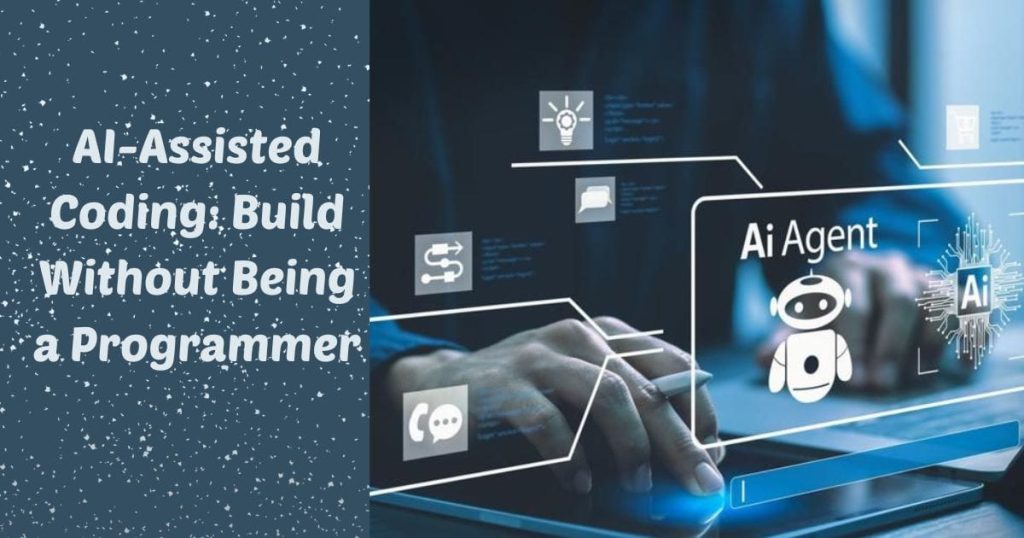
AI-assisted coding is one of the top AI skills to learn in 2026. It allows anyone, even without prior programming experience, to build apps, websites, or tools by simply describing what they want. The AI writes the code for you, making software development faster and easier than ever before.
What You Can Do With AI-Assisted Coding
With AI-assisted coding, you can:
- Build simple websites quickly without learning HTML or CSS.
- Create productivity tools for school, work, or personal projects.
- Design small apps for business or creative ideas.
- Automate repetitive coding tasks, saving time for more important work.
Why AI-Assisted Coding Is a Valuable Skill
Learning this skill offers multiple advantages:
- For beginners: Removes the fear of coding and makes software development accessible.
- For developers: Speeds up coding, testing, and debugging, improving efficiency.
- For entrepreneurs: Turns ideas into real products without needing a full tech team.
- For students and professionals: Enhances learning and problem-solving by letting AI handle technical tasks. By mastering AI-assisted coding, you not only gain a practical skill but also stay ahead in the competitive 2026 job market, making it easier to create tools, apps, and solutions that work in real-world situations.
7. Multi-Modal AI: Text, Images, and Audio Together
Multi-modal AI is one of the most exciting AI skills to learn in 2026. Unlike traditional AI that handles only one type of data, multi-modal AI can process text, images, and audio all at once. This allows you to create richer, more interactive content and tools.
How Multi-Modal AI Can Help You
With multi-modal AI, you can:
- Create videos from text: Turn written content into engaging video presentations automatically.
- Convert notes into voice: Generate natural-sounding audio from text for podcasts, lectures, or tutorials.
- Design images from descriptions: Transform simple text prompts into visuals for marketing, design, or learning purposes.
- Enhance interactive learning: Make lessons, tutorials, or presentations more engaging for students or audiences.
Who Benefits from Multi-Modal AI
- Teachers and educators can make lessons more interactive and accessible.
- Students can use it to learn faster with visual and audio aids.
- Content creators can save time producing high-quality videos, graphics, and audio simultaneously.
- Businesses can improve marketing, presentations, and product demonstrations.
Learning multi-modal AI helps you stay ahead in the 2026 tech landscape by combining multiple skills into one powerful tool. Mastering it enhances creativity, efficiency, and productivity across work, learning, and content creation.
8. AI Safety: Using AI the Right Way
As AI technology grows more advanced, learning AI skills to use it safely in 2026 is essential. Using AI responsibly not only protects your data but also ensures trustworthy results and prevents costly mistakes.
Key AI Safety Practices
- Protect your private information – Never share personal or sensitive data with AI tools. This keeps your information secure and reduces the risk of data leaks.
- Verify important information – AI can make errors. Always double-check facts, numbers, and recommendations before making decisions based on AI outputs.
- Use AI as a support tool, not a replacement – AI is designed to assist your thinking, not replace it. Combine your judgement with AI insights for the best results.
- Understand ethical use – Avoid using AI to create misleading content, infringe on copyright, or harm others. Ethical AI use builds trust and credibility.
Why AI Safety Matters
By following safety practices, you can:
- Avoid mistakes in work or studies
- Build trust with colleagues, clients, or classmates
- Make better, informed decisions using AI tools
- Stay ahead in your career by demonstrating responsible AI skills
Mastering AI safety is a key part of becoming proficient in AI. It ensures that as you explore AI tools and skills in 2026, you can do so effectively, responsibly, and confidently.
How to Start Learning AI Skills Today
You don’t need expensive courses or advanced degrees to start learning AI in 2026. The key is to start small, practice consistently, and build your skills step by step. Even beginners can make progress quickly with the right approach.
- Use AI Chatbots Daily – Practice with chatbots like ChatGPT, Gemini, or Claude. Use them to write content, summarize information, or answer questions. Daily use helps you understand how AI thinks and responds.
- Practice Smart Prompting – Experiment with task-based and step-by-step prompts. The better your prompts, the more accurate and useful AI’s responses will be. Prompting is a foundational AI skill that boosts productivity.
- Try Basic AI Coding Tools – Explore beginner-friendly AI coding tools that let you build apps or automate tasks without deep programming knowledge. This introduces you to AI-assisted coding and hands-on learning.
- Explore Open Source AI Platforms – Use open source AI models to practice, experiment, and understand how AI systems work. These platforms are free and allow you to customize and learn in a safe environment.
- Stay Updated on AI Trends – Follow AI news, blogs, and tutorials to keep track of the latest tools, updates, and generative AI trends in 2026. Staying informed helps you adapt quickly and make smarter decisions.
Learning AI is a marathon, not a sprint. Regular practice, even for a few minutes each day, is more effective than rushing through advanced courses. Start small, stay consistent, and gradually tackle more complex AI tools and skills.
The Future of AI Skills in 2026 and Beyond
AI is transforming the way we work, learn, and create. By developing the right AI skills in 2026, you can open doors to more opportunities and stay ahead in your career.
Learning these skills helps you:
- Get better jobs: Employers value people who can use AI tools effectively.
- Learn faster: AI can speed up research, learning, and problem-solving.
- Make smarter business decisions: Real-time AI insights improve productivity and strategy.
- Unlock creative freedom: Use AI to generate ideas, design projects, and innovate without limits.
AI is not here to replace people it’s a powerful assistant for those who know how to use it wisely. The earlier you start learning, the stronger your skills will be for the future.
Learning AI doesn’t have to be hard. Begin with the basics, practice asking better questions, and gradually explore advanced tools like AI agents and AI-assisted coding. Even small, consistent steps can lead to big progress. The earlier you start, the more confident and skilled you will become. By building your AI knowledge today, you prepare yourself for a future where AI skills in 2026 will give you a clear advantage in work, learning, and creativity.



Leave a Reply