

Artificial Intelligence in daily life isn’t something far in the future it’s already all around you. From your smartphone suggesting the fastest route, to your smart home adjusting the lights, AI helps make everyday tasks faster and simpler. Even your car, your shopping apps, and your favourite social media platforms use AI to save you time and effort. The best part? You don’t need technical skills or expensive tools to benefit from it. By understanding simple ways AI works, you can use it to manage your schedule, organize tasks, and make smarter decisions. Start noticing AI in daily life, and see how it quietly makes life easier every day.
How Artificial Intelligence Affects Daily Life?

Artificial intelligence (AI) is technology that helps machines think, learn, and make decisions like humans. In daily life, AI appears in smart apps, tools, and devices that learn your habits and help you get things done faster and more efficiently. From suggesting your next movie or favourite playlist, to helping you draft emails, plan your day, or even save on energy bills, AI is quietly making everyday tasks easier. These practical examples of artificial intelligence in daily life show how you can use AI right now to save time, stay organized, and make smarter choices.
1. AI Personal Smart Assistants
One of the simplest ways to experience artificial intelligence in daily life is through your phone’s assistant. Tools like Siri, Alexa, and Google Assistant can help you set reminders and alarms, answer questions, control smart home devices, and send messages or emails all with just your voice. Instead of switching between apps, you can complete small daily tasks in one smooth conversation.
How AI Makes Life Easier: AI lets you skip typing or searching. It’s like having a personal assistant ready to help anytime—even when your hands are full. So, Ask your assistant to plan your day each morning, and you’ll see how organized it can make your life feel.
2. Personalized Recommendations
Ever noticed how Netflix, YouTube, or Spotify seem to know exactly what you’ll enjoy next? That’s artificial intelligence in daily life at work. AI studies what you watch, listen to, or search for and then suggests content based on your habits and preferences.
Practical AI Examples
Streaming platforms like Netflix recommend shows you might enjoy based on your viewing history. Spotify creates playlists that match your mood and taste, while online stores suggest products related to what you browse. These smart recommendations save time and help you discover content and products you actually care about.
Personalized suggestions are one of the simplest ways AI touches your daily life, often without you even realizing it.
3. AI for Instant Trip Planning
Remember when planning a trip meant hours of searching flights, comparing hotels, and creating itineraries? Those days are over. AI now lets you plan an entire trip in minutes.
Modern AI travel tools can:
-
Compare flights and hotel options instantly
-
Suggest popular attractions and hidden gems
-
Build a full travel itinerary in seconds
Instead of juggling multiple websites and tabs, everything you need is brought together in one smart platform.
Even apps you already use, like Google Maps, leverage AI to avoid traffic, find the fastest routes, and adjust in real time—so your trip is smooth from start to finish.
How AI Makes Travel Easier – With AI handling the logistics, you spend less time planning and more time exploring. From last-minute weekend getaways to long vacations, these tools make packing your bags and heading out faster, simpler, and stress-free.
4. AI in Email and Writing
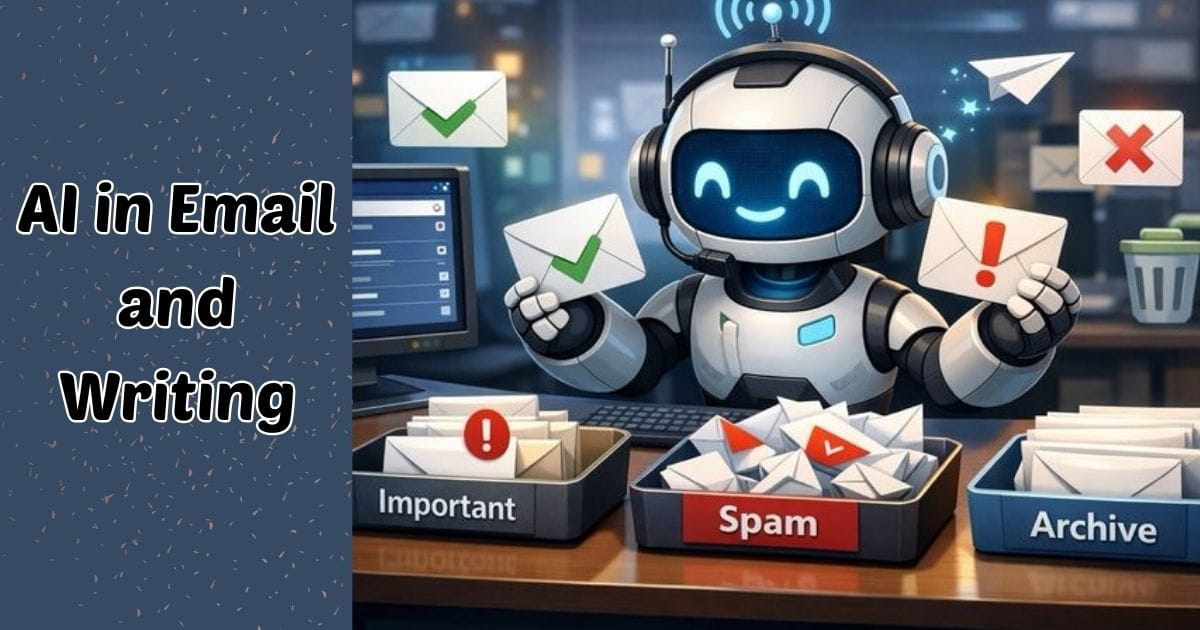
Writing doesn’t have to be stressful or time-consuming anymore. With AI tools, you can draft emails, posts, and ideas faster while sounding professional and confident.
Some of the most helpful tools include:
- Gmail Smart Compose – finishes your sentences and speeds up email writing
- Grammarly – checks grammar, spelling, and tone to make your writing polished
- ChatGPT – helps draft emails, social media posts, essays, or even creative ideas
By combining these tools, writing becomes smoother, faster, and less stressful. Whether you’re sending a work email, writing a school assignment, or posting online, AI helps you:
- Sound clear and professional
- Save time on drafting and editing
- Avoid common grammar or tone mistakes
Always read and personalize what AI writes. The goal is to let AI help with structure and clarity, while keeping your voice authentic.
5. AI in Health and Fitness
Artificial intelligence in daily life also plays a big role in health and fitness. Your smartwatch or fitness tracker is smarter than you might think. Devices like Fitbit and Apple Watch use AI to monitor your heart rate, track your steps, analyze sleep patterns, and even measure stress levels throughout the day.
Some fitness apps take it further by designing workouts tailored to your goals, mood, and available time. AI helps you stay consistent, motivated, and focused on results.
AI Technology Benefits – It’s like having a personal trainer and health coach right in your pocket. By using AI in daily life for fitness, you can make better choices, track progress efficiently, and stay healthier without extra effort.
6. AI in Personal Finance
Artificial intelligence in daily life isn’t just about convenience—it can also help manage your money. Apps like Mint and Cleo use AI to track your spending, categorize expenses, alert you when you overspend, and even suggest ways to save more each month.
How AI Helps You – By using AI in daily life for personal finance, you get a clear picture of where your money goes and how to improve your habits. It’s like having a financial coach in your pocket, guiding you to smarter decisions.
Upload your monthly expenses and let AI highlight areas to cut back. You might be surprised how much you can save with just a few simple changes.
7. Real-Time Language Translation
Artificial intelligence in daily life makes travelling and communicating in other languages easier than ever. Tools like Google Translate allow you to speak and hear translations, type text for instant translation, or even scan signs and menus with your camera.
Practical AI Example – You can communicate across borders without learning a new language first. AI helps you connect with people worldwide, making travel, work, or online conversations smoother and stress-free.
8. Smart Homes and Energy Saving

One of the most powerful ways to use artificial intelligence in daily life is in your home. Smart devices like thermostats, lights, and plugs work together to manage energy automatically. They learn your schedule and adjust settings to save energy without constant input.
AI Benefits at Home – Your home becomes more comfortable and energy-efficient. Many people save real money on utility bills thanks to AI. Tip: Set your thermostat to adjust when you leave the house. You’ll save energy effortlessly.
9. AI-Powered Shopping
Shopping is becoming smarter with artificial intelligence in daily life. AI can suggest recipes based on what’s in your fridge, create shopping lists, recommend products online, and even offer virtual try-ons for clothes and glasses.
How AI Helps People – By using AI for shopping, you waste less food, make better purchasing decisions, and shop with more confidence. It simplifies your shopping experience while saving time, money, and effort.
10. Visual Search and Augmented Reality (AR)
Artificial intelligence in daily life also makes shopping and exploring the world easier through visual search and augmented reality (AR). Ever see something you like and wonder where to find it? With apps like Google Lens, all you need is a photo. AI and computer vision analyze the image, tell you what the object is, show similar products online, and even provide links to buy them.
Practical AI Example – You can discover new furniture for your home, find clothing styles you love, or identify plants and landmarks instantly. Some AR apps even let you virtually try on clothes, glasses, or makeup before buying. This saves time, reduces mistakes, and makes shopping interactive and fun.
How AI Helps People – Visual search and AR powered by AI simplify decision-making, improve shopping confidence, and make everyday tasks more efficient. By using AI in daily life this way, you can explore, shop, and learn in smarter ways—all with just your phone camera.
FAQ’s
How Is Artificial Intelligence Used in Daily Life?
AI is used in phones, apps, smart homes, health devices, shopping platforms, and finance tools. It helps with reminders, recommendations, writing, saving money, fitness tracking, and travel planning.
What Are Simple Examples of AI for Everyday Tasks?
Simple examples include voice assistants, Netflix recommendations, grammar checkers, smart thermostats, and translation apps.
How Does AI Help People Save Time?
AI automates tasks like planning routes, writing emails, managing schedules, and organizing finances, so you spend less time doing routine work.
Is AI Safe to Use in Daily Life?
Most AI tools are safe when you use trusted apps and protect your personal data. Always check privacy settings and avoid sharing sensitive information.
Sum Up
Artificial intelligence is no longer science fiction. It’s a helpful tool that’s already shaping how we work, shop, travel, and live. You don’t need to use all these tools at once. Start with just one. Maybe a smart assistant, a fitness app, or a budgeting tool. Small steps can make a big difference. Now it’s your turn. Try one of these practical AI examples today and see how it improves your routine. You might be surprised how much time, money, and stress it saves you. If you found this guide helpful, keep exploring how artificial intelligence in daily life can work for you. The future is already in your hands.






Leave a Reply