
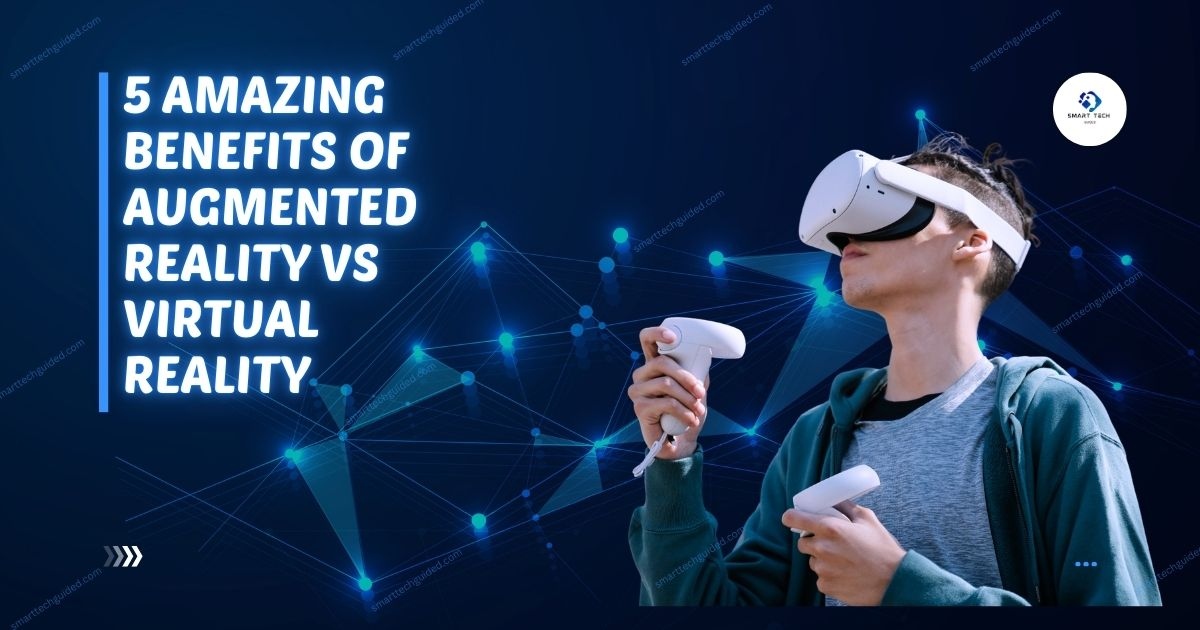
If you’ve ever wondered about augmented reality vs virtual reality, you’re not alone. Both technologies are changing the way we interact with the digital world, but they do it in very different ways. Augmented Reality (AR) adds helpful or fun digital elements to your real surroundings, while Virtual Reality (VR) immerses you completely in a digital environment. In this guide, we’ll break down the key differences, explore their unique uses, and show you how each technology can make your daily life, learning, and entertainment more exciting. By the end, you’ll clearly understand how augmented reality vs virtual reality works, and which experiences might suit you best.
What Is Augmented Reality (AR)?
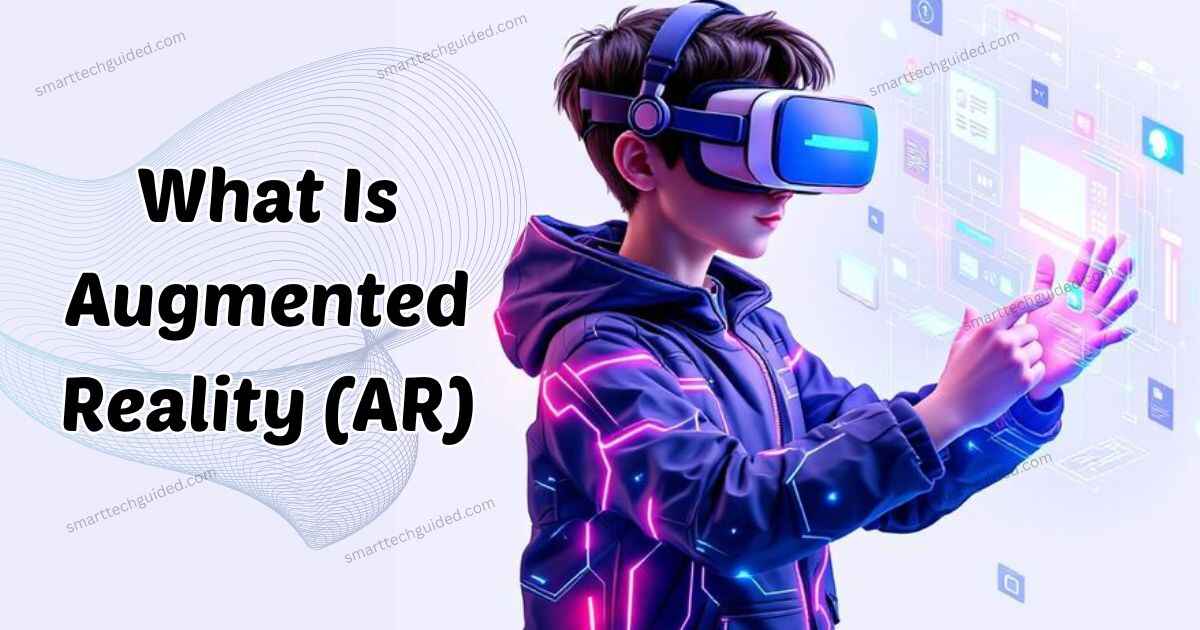
Augmented Reality (AR) brings digital elements into your real-world environment. It’s like adding a layer of helpful or fun information on top of what you already see. AR makes everyday experiences more interactive and engaging.
Why You’ll Love AR
- Try before you buy: Apps like IKEA Place let you see how furniture fits in your room.
- Enhanced navigation: AR directions in Google Maps show you exactly where to go.
- Interactive fun: Snapchat and Instagram filters make photos and videos more playful.
Augmented Reality (AR) enhances your everyday world by adding digital elements that interact seamlessly with your surroundings. You can engage with your environment in new ways, whether it’s visualizing furniture in your room, following real-time directions, or enjoying interactive apps and filters.
What Is Virtual Reality (VR)?
Virtual Reality (VR) transports you into a fully immersive digital world, where your surroundings are completely replaced by computer-generated environments. When you wear a VR headset, you can explore new places, play interactive games, or practice skills in a realistic, hands-on way. From virtual travel and educational simulations to creative design and training exercises, VR allows you to experience things that might be impossible or impractical in the real world, making learning and entertainment more engaging than ever.
Why VR Is Exciting?
- Adventure from home: VR games like Beat Saber or Half-Life: Alyx put you inside the action.
- Virtual travel: Explore new cities, landmarks, or even the ocean without leaving your home.
- Skill development: VR training, like flight simulations or safety exercises, gives realistic practice in a safe environment.
VR lets you experience a fully digital world, opening up possibilities for learning, fun, and creativity.
5 Amazing Benefits: Augmented Reality vs Virtual Reality
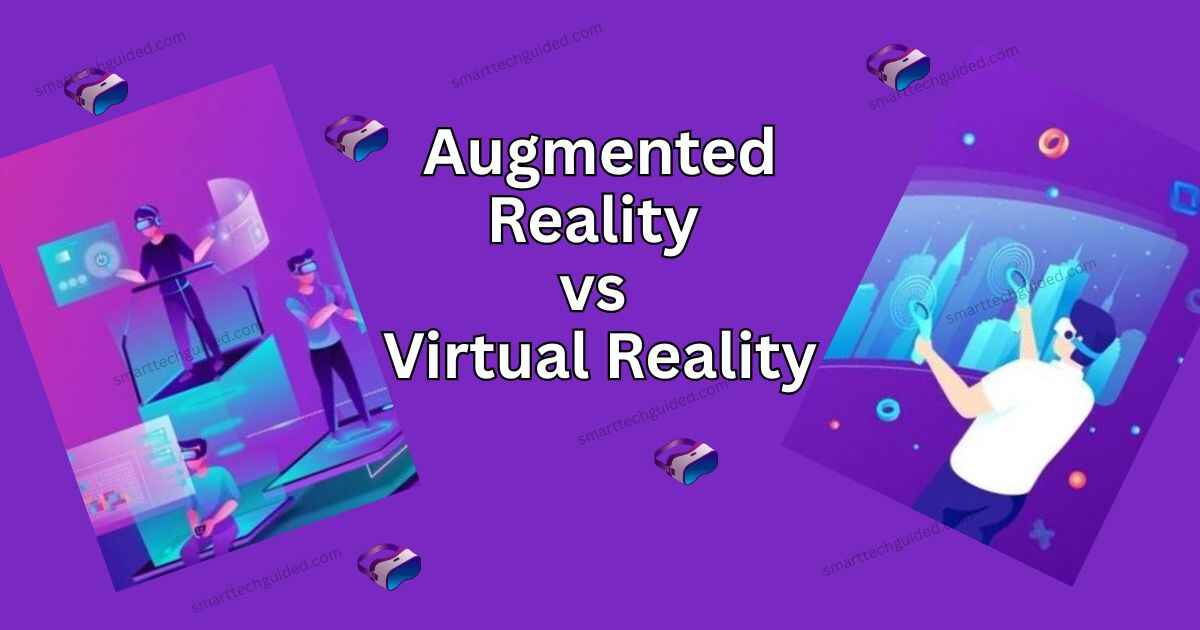
Instead of seeing AR and VR as competing technologies, it’s better to think of them as complementary. Both augmented reality vs virtual reality offer unique strengths, making digital experiences exciting, interactive, and valuable in completely different ways.
1. Enhance vs Immerse
Augmented Reality (AR) enhances your real world by overlaying digital content on top of what you see every day. This means you can interact with your surroundings while enjoying added digital features, like seeing how furniture fits in your room or getting real-time navigation directions. On the other hand, Virtual Reality (VR) immerses you in a fully digital world. With VR, you can explore new environments, play interactive games, or practice skills in realistic simulations—all while being completely surrounded by the virtual experience.
2. Layering vs Full Engagement
With AR, you add digital elements to your real surroundings, making everyday tasks more engaging and interactive. It’s perfect for social media fun, educational apps, or shopping experiences that let you visualize products in your space. VR, however, allows you to fully interact with a completely virtual environment, giving you a sense of presence and adventure that’s hard to achieve elsewhere.
3. Everyday Devices vs Specialized Equipment
One of AR’s great advantages is its accessibility. Most AR experiences work directly on your smartphone or tablet, making it easy to explore without additional equipment. VR, while slightly more specialized, provides a deeper experience with a VR headset and sometimes hand controllers, opening doors to immersive adventures and creative possibilities.
4. Everyday Enjoyment vs Deep Immersion
AR brings fun, playful, and everyday-friendly experiences into your life. You can enhance your daily activities with interactive apps, filters, and useful overlays. VR, on the other hand, offers deeply immersive and adventurous experiences, transporting you to entirely new worlds where your creativity and imagination can run wild.
5. Enhancing Life vs Expanding Horizons
AR is perfect for practical applications like shopping, navigation, social media, and learning, adding value to your daily routines. VR is ideal for gaming, professional training, virtual tours, and therapy, providing experiences that are engaging, educational, and transformative.
So, try augmented reality vs virtual reality to see how each can enhance your day. From the above discussion the use AR for quick, interactive experiences in your real world, and dive into VR when you want to fully explore new worlds, learn new skills, or enjoy immersive adventures from the comfort of your home. Both technologies offer amazing possibilities, and experiencing them together can make your digital world more fun, engaging, and exciting.
What About Mixed Reality (MR)?
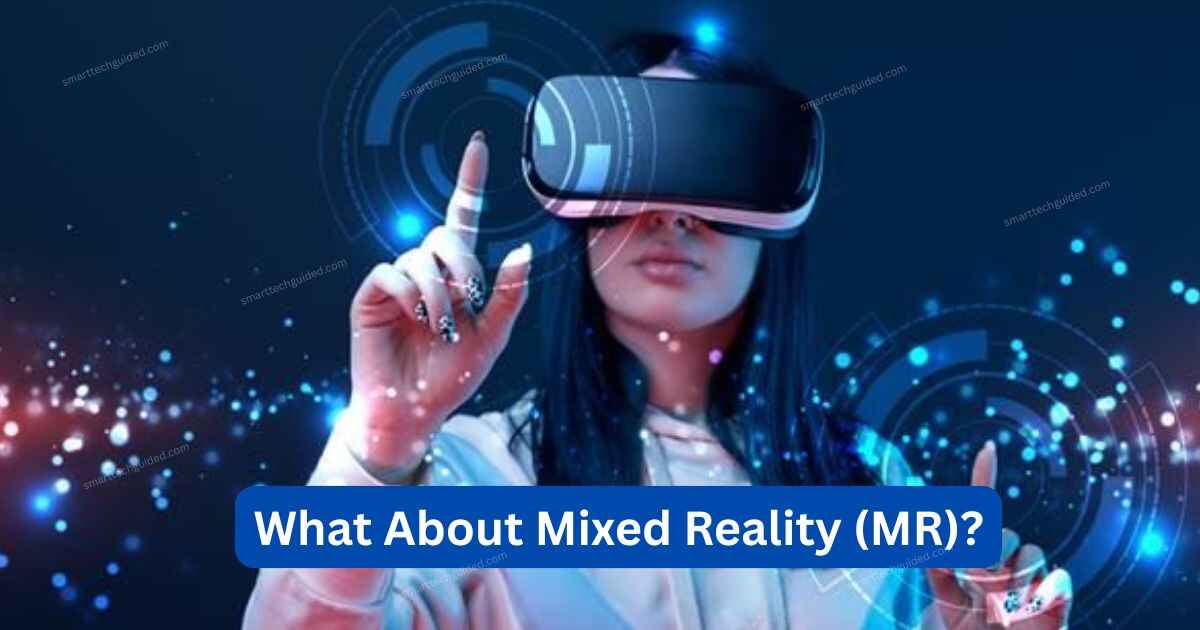
When exploring augmented reality vs virtual reality, you may also come across Mixed Reality (MR). MR combines the best features of both AR and VR, creating an experience where digital objects not only appear in your real world but also interact with it in real time. This means you can move, manipulate, and engage with virtual elements as if they were physically present, making learning, collaboration, and creative projects more immersive and exciting.
MR in Action
-
Microsoft HoloLens: Place digital objects on your desk, interact with them, and manipulate them just like real-world items.
-
Collaboration and creativity: MR allows teams to work together in virtual spaces while staying aware of their real environment, making group projects and design work more dynamic and interactive.
MR is perfect if you want a hands-on experience that blends augmented reality vs virtual reality. It’s a powerful way to explore, learn, and create in ways that neither AR nor VR alone can fully achieve.
FAQ’s
1. Can AR and VR work together?
- Absolutely! Many experiences combine AR and VR to create rich, interactive environments. This combination is often called mixed reality.
2. Do I need special equipment?
- AR: Most AR apps only need your smartphone or tablet. AR glasses add a more advanced experience.
- VR: A VR headset is needed, sometimes with hand controllers for full interaction.
3. Which industries benefit from these technologies?
- AR: Retail, education, navigation, marketing, healthcare
- VR: Gaming, training, therapy, virtual tourism, real estate
4. How can I start exploring AR and VR?
- Try AR apps on your phone first—they’re easy, fun, and free.
- If you want full immersion, VR headsets open doors to creative worlds, games, and learning experiences.
Augmented Reality vs Virtual Reality: A Positive Perspective
Both augmented reality vs virtual reality offer amazing ways to enjoy technology. AR makes your everyday life more interactive and convenient, while VR gives you unforgettable immersive adventures. And with mixed reality, you can even blend the two for interactive, dynamic experiences.
Embrace both! Start small with AR, then dive deeper with VR. You’ll discover how technology can make your world more fun, educational, and creative.
Understanding augmented reality vs virtual reality doesn’t have to be complicated. AR brings digital elements into your real world, VR fully immerses you in new virtual environments, and MR combines both for interactive, hands-on experiences. Each technology offers unique ways to learn, play, and explore, making your daily life more fun and your digital experiences more engaging. So go ahead to try AR on your phone, dive into VR adventures, or explore mixed reality for creative projects. With these tools, the digital world is ready to make your learning, entertainment, and everyday activities more exciting than ever!






Leave a Reply