
In today’s fast-paced business world, digital payments are no longer optional; they are essential for companies of all sizes. From small local shops to global e-commerce platforms, businesses are increasingly adopting cashless methods to improve transaction speed, enhance security, and provide convenience to their customers (Forbes).
Choosing the right digital payment type is crucial because it directly impacts your customers’ payment experience, operational efficiency, and financial reconciliation. Different types of digital payments offer unique advantages, including instant settlement, lower costs, and integration with loyalty programs. They also carry specific challenges, such as technical issues, regulatory compliance, and adoption barriers.
This guide breaks down the most common digital payment types, explaining how each works, who should use them, and the benefits and risks associated. By understanding your options, you can select payment solutions that align with your business model, improve cash flow, and deliver a seamless experience to your customers. Implementing the right mix of payment types also enhances trust and encourages repeat purchases.
Digital Payment Types
Digital payments come in several forms, including credit/debit cards, mobile wallets, UPI/bank transfers, QR code payments, and cryptocurrencies. Each type offers unique advantages and challenges. Choosing the right one depends on your business model, customer preferences, transaction volume, and region, ensuring convenience, security, and efficiency. Let’s discuss the types in detail.
1. Credit & Debit Card Payments
Credit and debit cards remain the most widely used form of digital payments for both online and in-store transactions. They provide speed, convenience, and consumer protection, and they are globally accepted. Businesses rely on card payment gateways or POS terminals to process payments securely while complying with financial regulations (Oxigen Wallet).
How Card Payments Work
When a customer pays with a credit or debit card, the POS system or payment gateway first encrypts their card information to keep it secure. This data is then sent to the acquiring bank, while the issuing bank checks for sufficient funds and verifies the transaction using methods like PIN, OTP, or 3D Secure authentication.
Once approved, the funds are transferred to the merchant’s account, usually within 24–48 hours. Payment processors also use tokenization and real-time monitoring to detect and prevent fraud. Card payments are ideal for high-volume stores, online shops, and international businesses, offering convenience, trust, and speed while reducing the risks and costs associated with handling cash.
Benefits & Challenges of Card Payments
- Fast and reliable processing
- Global acceptance for online and in-store payments
- Enhanced security via encryption and tokenization
- Easier reconciliation with automated reports
- Processing fees and potential chargebacks
- Dependence on network connectivity
- Compliance requirements like PCI DSS
- Businesses must weigh these factors when implementing card payments to ensure efficient operations and protect sensitive customer information.
2. Mobile Wallets & App-Based Payments
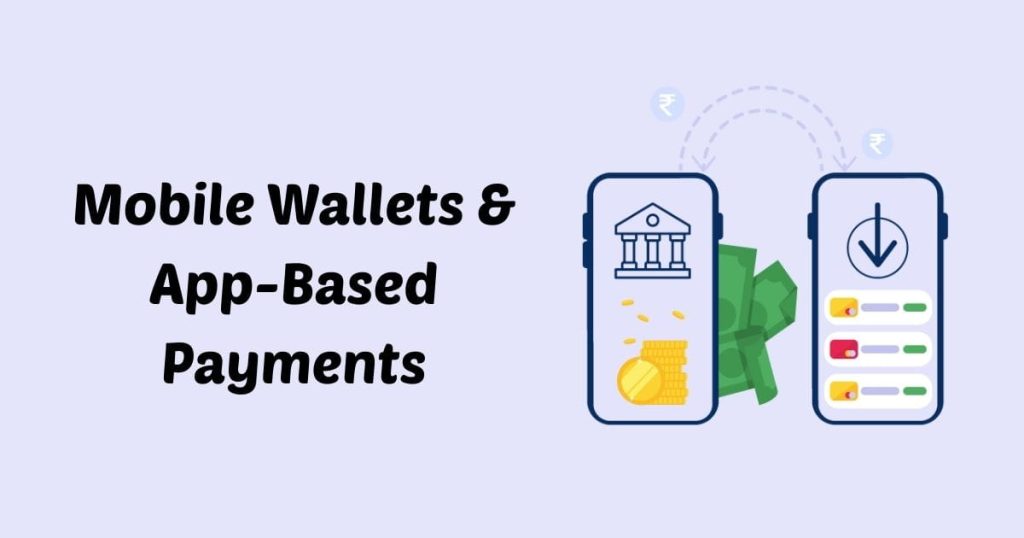
Mobile wallets like Apple Pay, Google Pay, PayPal, and Samsung Pay let customers store their card and bank account information securely on their smartphones. These digital payments allow fast, contactless transactions, eliminating the need for cash or physical cards.
They simplify checkout, speed up purchases, and often integrate with loyalty programs, subscriptions, and rewards, enhancing customer convenience. For businesses, mobile wallets reduce queues, improve transaction efficiency, and encourage repeat purchases, making them a valuable tool for modern, cashless commerce
How Mobile Wallets Work
Mobile wallets work by creating secure digital tokens that represent a customer’s card or bank account, keeping the actual financial information hidden. When a customer initiates a payment, they authorize it using a PIN, fingerprint, or facial recognition, ensuring the transaction is secure and linked to the verified user. The wallet then sends the token to the payment gateway, which communicates with the bank to verify funds and complete the settlement.
Unlike traditional card payments, sensitive card details are never exposed, minimizing the risk of fraud or data theft. Mobile wallets also offer additional benefits for businesses, such as push notifications, loyalty program integration, and in-app purchases, providing a seamless experience that encourages repeat transactions and improves customer satisfaction. This secure and efficient process makes mobile wallets one of the most convenient digital payment options for both users and merchants.
Benefits & Challenges of Mobile Wallets
- Contactless, fast, and convenient payments
- Strong security via tokenization and encryption
- Enhanced customer engagement through loyalty programs
- Integration with subscriptions and apps
- Requires smartphone ownership and internet connectivity
- Adoption can vary across demographics
- Businesses must support multiple wallet platforms for a broad reach
Leveraging mobile wallets effectively can improve transaction efficiency, reduce queue times, and foster customer loyalty (Oxigen Wallet).
3. UPI & Bank Transfers

Unified Payments Interface (UPI) and direct bank transfers are digital payment methods that allow customers to send money directly from their bank accounts without needing cash or cards. UPI is especially popular in India and has transformed how individuals and businesses transact. By linking multiple bank accounts to a single mobile app, users can transfer funds instantly, securely, and at minimal cost.
How UPI & Bank Transfers Work
Customers enter the recipient’s UPI ID or account number and authenticate the transaction using a PIN or biometric verification. The banking network verifies account balances and authorizes the transfer, which is often instant.
Businesses benefit from reduced payment delays, lower transaction costs, and minimal administrative work. UPI and bank transfers are especially suitable for SMEs and online marketplaces, offering a reliable, cashless alternative to traditional payment methods without depending on card networks.
Benefits & Challenges
- Instant, secure, and low-cost transactions
- Easy integration with business banking systems
- Reduces dependence on cash handling
- Users must have bank accounts and some digital literacy
- System compatibility and network reliability are essential
- Adopting UPI and bank transfers can streamline operations, enhance cash flow, and reduce human errors in reconciliation.
4. QR Code Payments
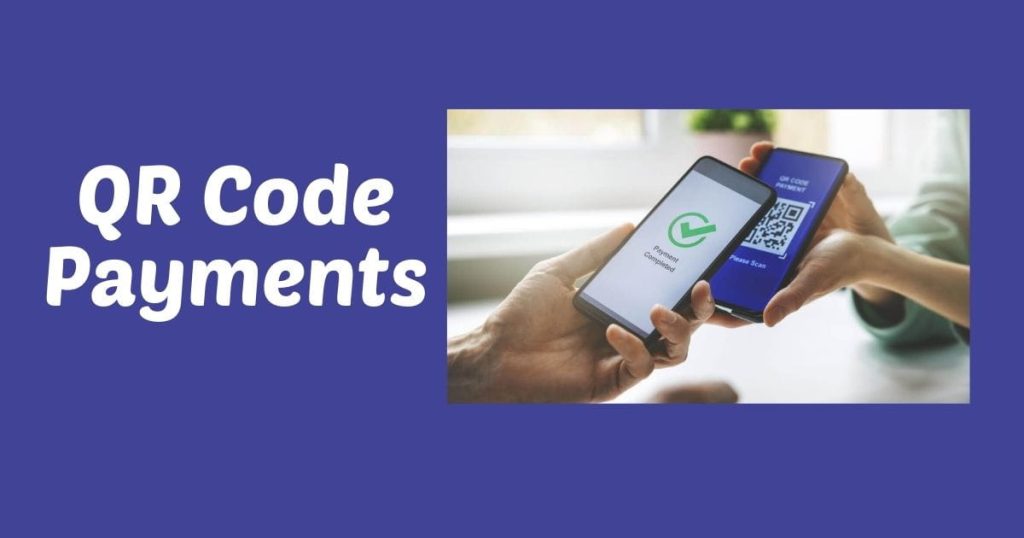
QR code payments are a type of digital payment where businesses generate a unique QR code linked to their bank account or digital wallet. Customers scan the code using a mobile app and authorize the payment with a PIN or biometric verification. The payment gateway then processes the transaction instantly, transferring funds to the merchant’s account.
In short, QR code payments are a simple, low-cost, and efficient solution for businesses to accept digital payments while improving customer convenience and transaction speed.
How QR Code Payments Work
Businesses generate static or dynamic QR codes linked to their bank or wallet account. Customers scan the code via a mobile app, authorize the transaction using a PIN or biometric, and funds are transferred instantly. The payment gateway records and settles the transaction with the merchant account.
QR codes are cost-effective, easy to implement, and highly accessible, making them ideal for micro-merchants, street vendors, and small retailers seeking efficient, low-cost digital payment solutions.
Benefits & Challenges
- Low setup and maintenance costs
- Fast, secure payments
- No additional hardware needed
- Smartphone dependency and limited adoption in some demographics
- Requires customer education for smooth adoption
- When implemented correctly, QR codes increase trust, simplify reconciliation, and enhance customer experience, particularly for small businesses and local merchants.
5. Cryptocurrency Payments

Cryptocurrency payments allow businesses to accept digital currencies such as Bitcoin, Ethereum, or other cryptocurrencies directly from customers. These payments use blockchain technology, a secure, decentralized ledger that verifies and records transactions without relying on banks or intermediaries.
How Cryptocurrency Payments Work
When a customer makes a cryptocurrency payment, they transfer funds from their digital wallet to the merchant’s wallet address. The transaction is then verified and recorded on the blockchain, an immutable and decentralized ledger that ensures transparency and security. Once confirmed, merchants can either convert the cryptocurrency into local fiat currency instantly or hold it as a digital asset.
Cryptocurrency payments are beneficial because they reduce reliance on traditional banks, lower transaction fees, and provide global reach. Confirmation times depend on the specific blockchain network, but the use of cryptography and decentralized verification ensures the transaction is secure and tamper-proof. This makes cryptocurrencies an attractive option for tech-savvy customers and businesses seeking fast, secure, and innovative payment methods.
Benefits & Challenges
- Low transaction fees
- Global reach and fast settlement
- Highly secure and decentralized
- Price volatility and regulatory uncertainty
- Limited mainstream adoption
- Requires specialized wallet integration
- Cryptocurrency payments are ideal for forward-thinking businesses looking to differentiate themselves and cater to niche markets seeking modern, cashless solutions.
Choosing the Right Digital Payment for Your Business
Selecting the right digital payment types is key to ensuring smooth transactions and satisfied customers. The choice depends on your business model, customer preferences, transaction volume, and location.
- Large retailers often use credit/debit cards and mobile wallets to handle high-volume sales efficiently.
- Small shops or local vendors may prefer QR codes or UPI for quick, low-cost, and contactless payments.
- Online or international businesses benefit from offering cards, wallets, and cryptocurrencies, giving customers flexibility and faster cross-border transactions.
Offering multiple payment options improves convenience, boosts adoption, and strengthens security. It also streamlines operations by reducing cash handling, automating reconciliation, and minimizing transaction delays.
In short, understanding your customers’ needs and your business goals helps you select the most effective digital payments, ensuring a seamless experience while optimizing efficiency and trust.
Sum Up
Digital payments have revolutionized the way businesses operate, offering speed, security, transparency, and convenience. From credit/debit cards and mobile wallets to UPI, QR codes, and cryptocurrencies, each type serves unique purposes and meets different customer needs. Innovations from big tech, blockchain, and AI further strengthen payment security, streamline processes, and enhance the overall user experience.
By understanding how each digital payment type works, its benefits, and potential challenges, businesses can make informed decisions, optimize cash flow, reduce operational friction, and deliver a seamless experience for their customers. Choosing the right combination of payment methods ensures higher adoption, smoother transactions, and long-term trust in your brand.
Explore the mechanics, advantages, and future trends of digital payments in our in-depth guide: Digital Payment Working Guide. If you found this guide helpful, leave a comment sharing your experience or questions to help other businesses confidently navigate the cashless economy.








Leave a Reply